Prime Day Air Purifier Deals 2026
The best Amazon Prime Day air purifier and humidifier deals for 2026. Real-time updates on Coway, LEVOIT, and Winix discounts.
Top picks at a glance
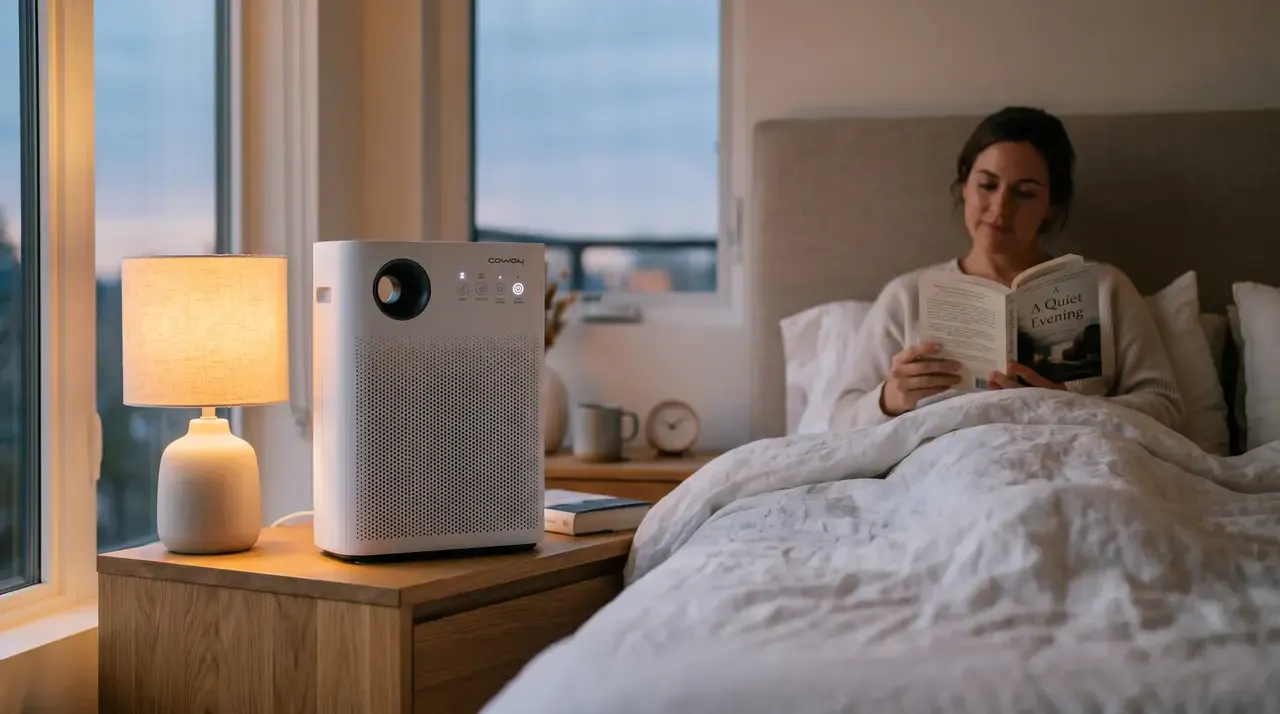
- CADR
- 246 / 249 / 277 CFM (Smoke / Dust / Pollen)
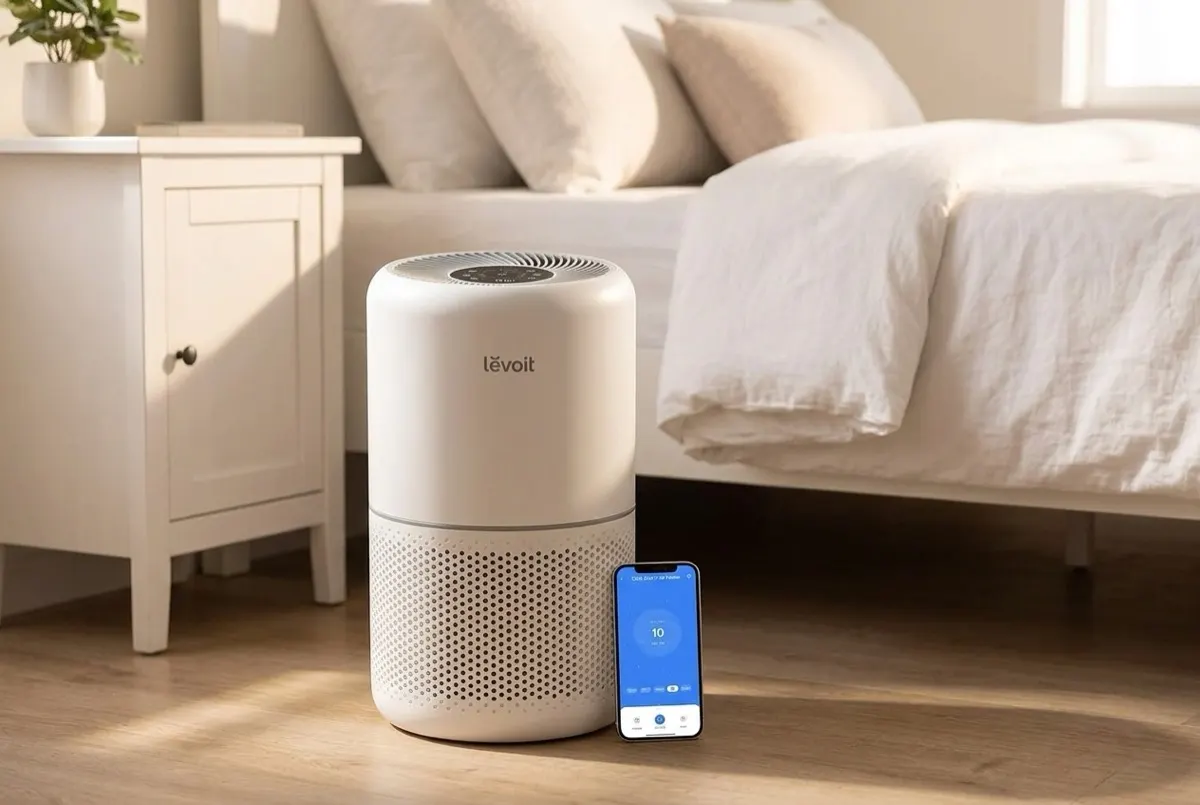
- CADR
- 141 CFM
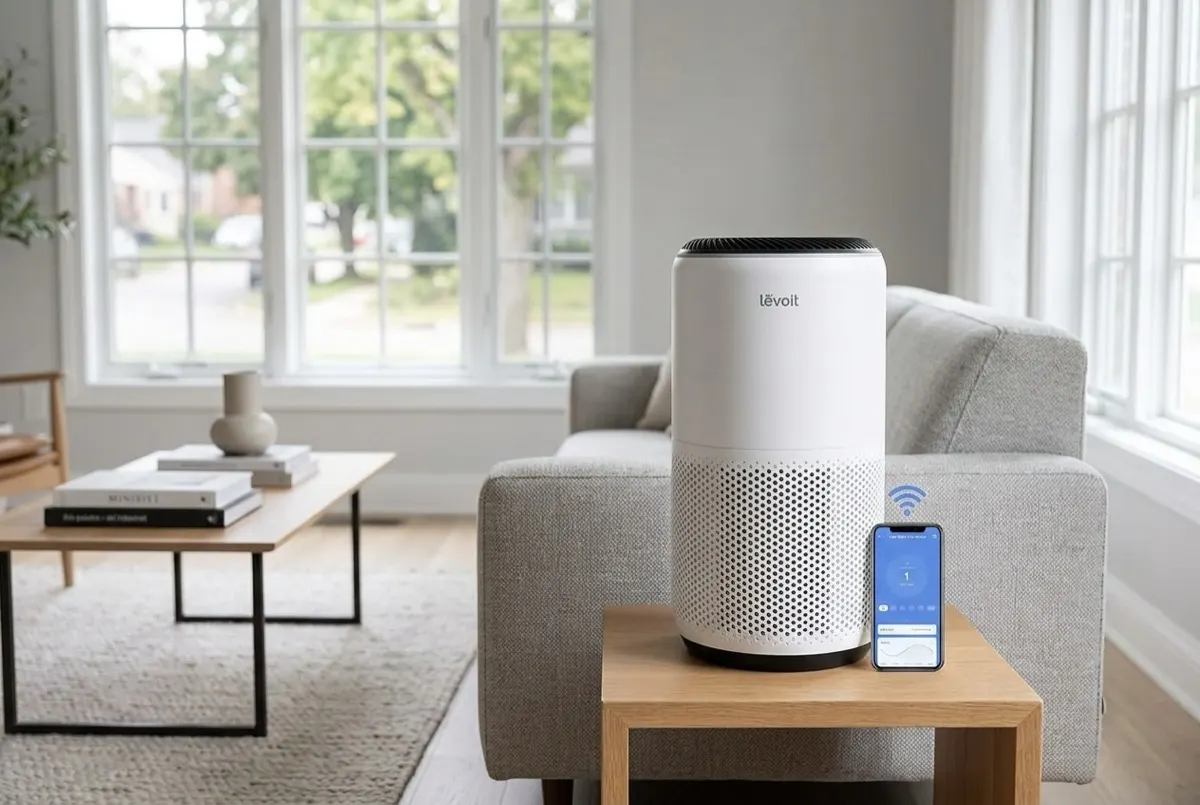
- CADR
- 234 / 233 / 257 CFM (Smoke / Dust / Pollen, AHAM Verifide)
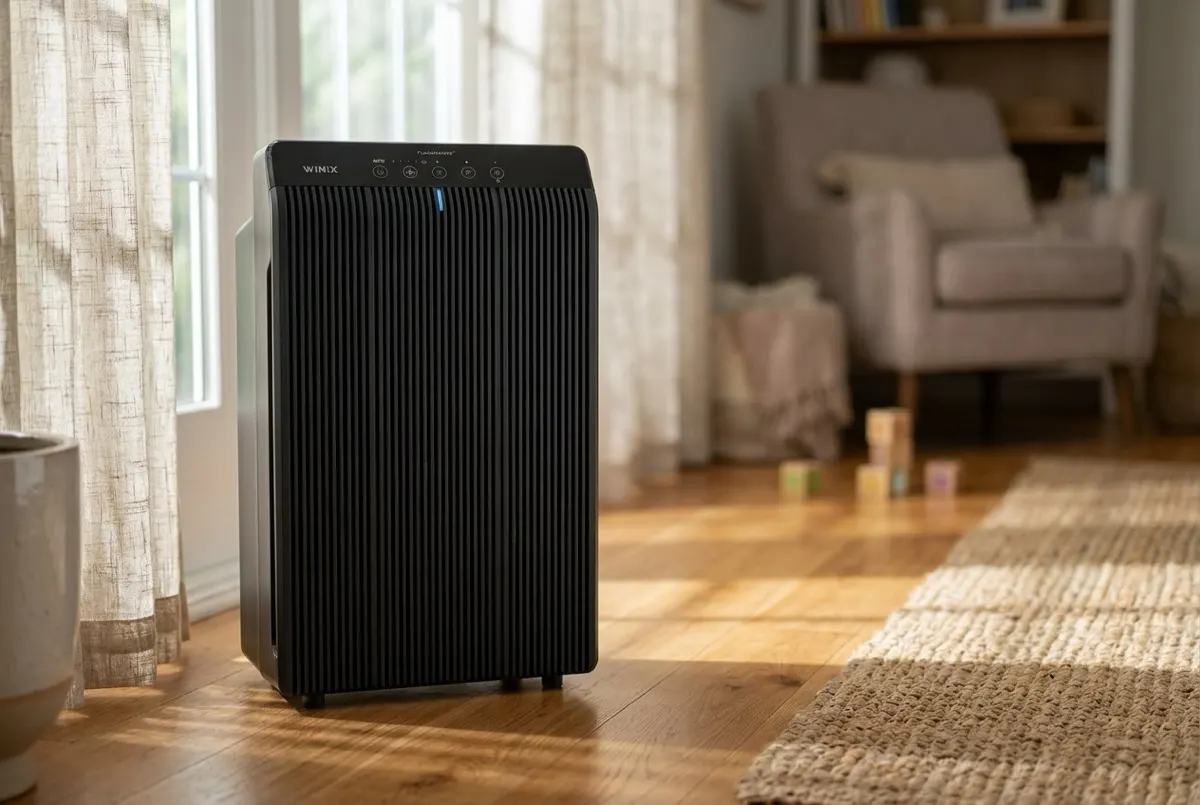
Winix 5510
Winix
- CADR
- 253 / 252 / 247 CFM (Smoke / Dust / Pollen, AHAM Verifide)
- CADR
- 240 / 242 / 249 CFM (Smoke / Dust / Pollen)
How we evaluate products
We compare published manufacturer specifications, manuals, support policies, and relevant public guidance. We do not present unpublished laboratory or in-home measurements as our own testing.
Features and services can change, so confirm current details with the manufacturer before buying. Affiliate commissions do not determine our editorial criteria.
Last reviewed: 2026-07-11
Products covered in this guide
Coway
Coway Airmega 200M
- CADR
- 246 / 249 / 277 CFM (Smoke / Dust / Pollen)
- Coverage
- 361 sq ft (4.8 ACH); 874 sq ft (2 ACH); 1,748 sq ft (1 ACH)
- Noise level
- 24.4-55.1 dB(A)
LEVOIT
LEVOIT Core 300S
- CADR
- 141 CFM
- Coverage
- 219 sq ft (4.8 ACH); 1,051 sq ft (1 ACH)
- Noise level
- 22-50 dB
LEVOIT
LEVOIT Core 400S
- CADR
- 234 / 233 / 257 CFM (Smoke / Dust / Pollen, AHAM Verifide)
- Coverage
- 358 sq ft (4.8 ACH); 1,718 sq ft (1 ACH)
- Noise level
- 22-52 dB
Winix
Winix 5510
- CADR
- 253 / 252 / 247 CFM (Smoke / Dust / Pollen, AHAM Verifide)
- Coverage
- 392 sq ft (AHAM Verifide); 1,882 sq ft max room size (1 ACH)
- Power
- 65 W
Coway
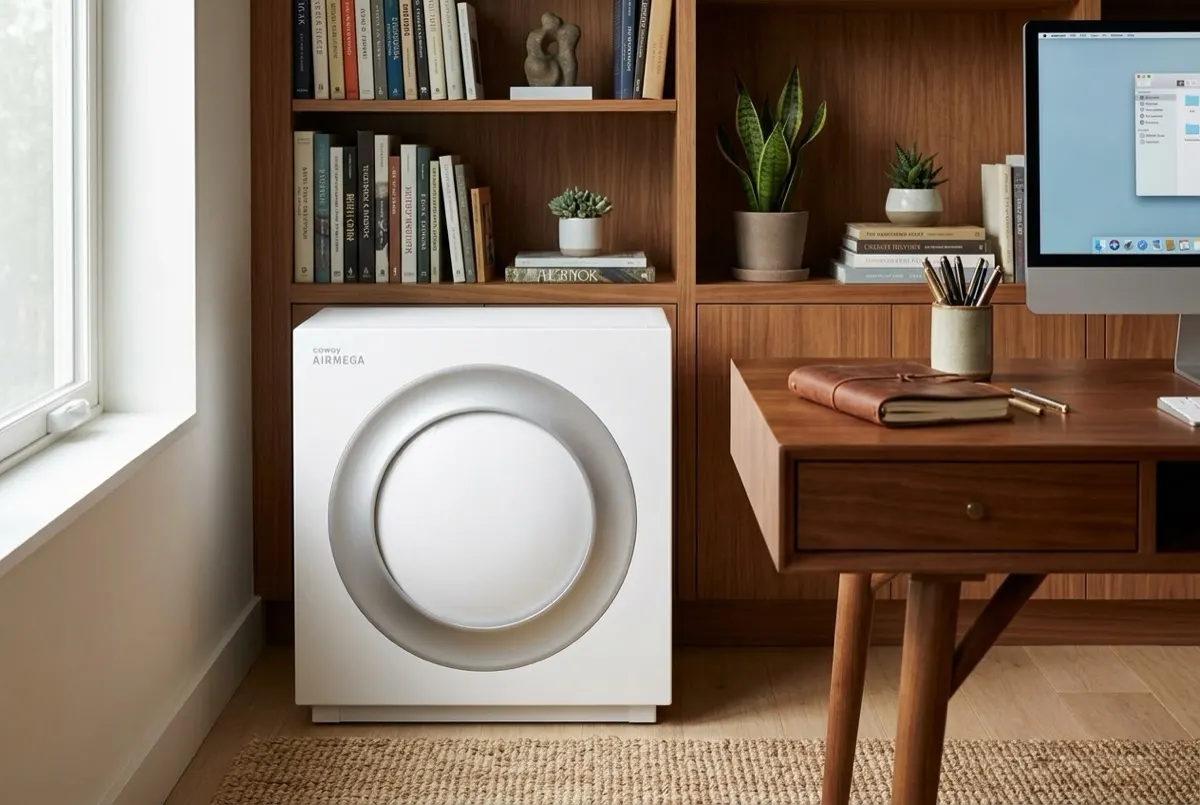
Coway Airmega Mighty2
- CADR
- 240 / 242 / 249 CFM (Smoke / Dust / Pollen)
- Coverage
- 1,800 sq ft (1 ACH)
- Noise level
- 19-50 dB
LEVOIT
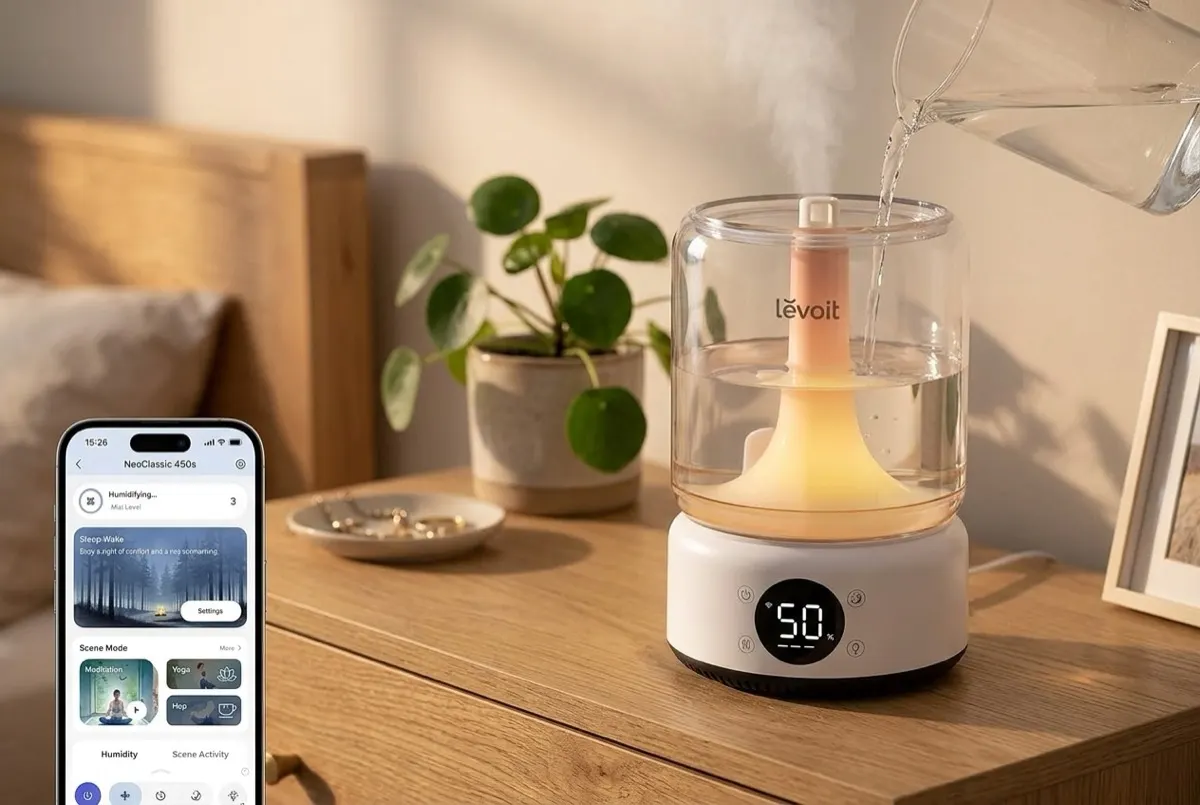
LEVOIT Smart Humidifier 4.2L
- Tank capacity
- 4.2 L (top fill)
- Runtime
- Up to 42 hours
- Coverage
- 432 sq ft
LEVOIT
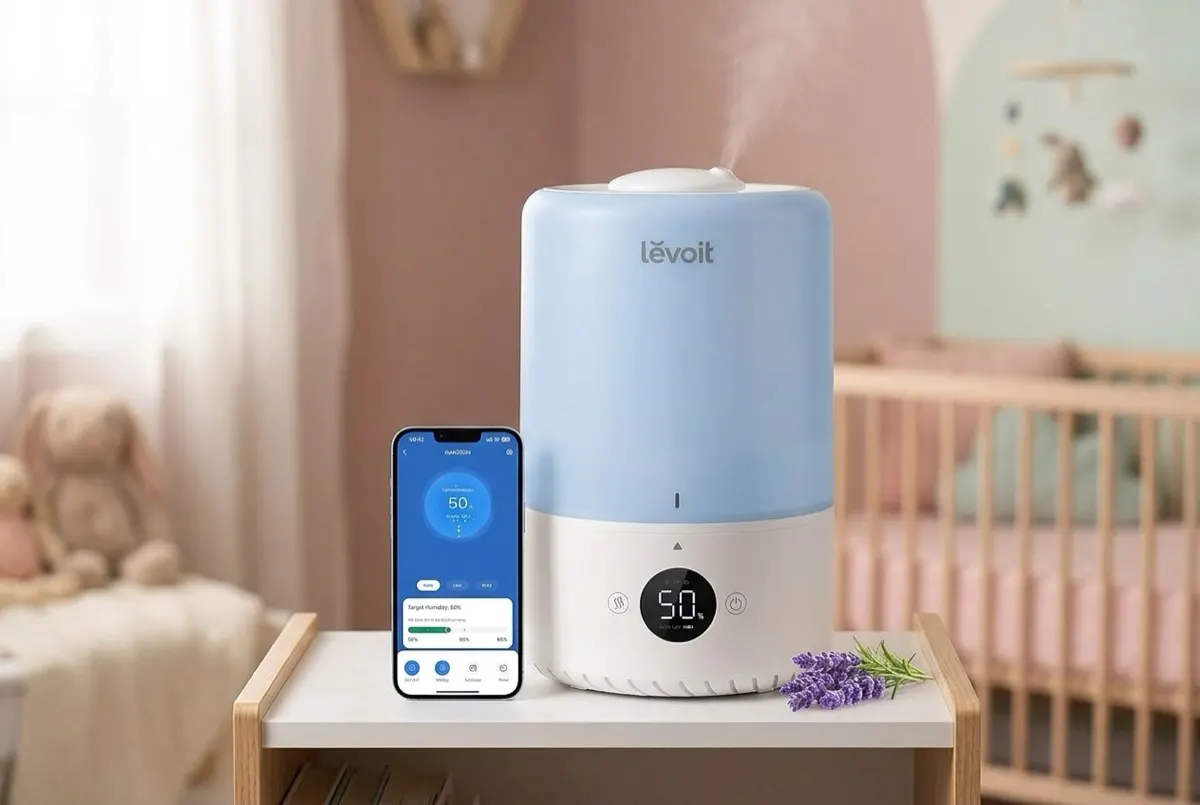
LEVOIT Dual 200S
- Tank capacity
- 3 L (0.79 gal, top fill)
- Runtime
- Up to 25 hours (low mist)
- Coverage
- 107-290 sq ft
Best Prime Day air purifier deals
Coway Airmega 200M (ASIN: B0856PHMMK)
Design, Usability, and Eco Mode Aesthetically, the Airmega 200M features a functional, albeit slightly traditional, boxy design with a prominent front grille. While it may not win contemporary design awards, its form is dictated by the physics of efficient air intake. The standout feature of this unit is undoubtedly its intelligent Eco Mode, driven by a highly sensitive onboard particle sensor. When the sensor detects that the indoor air quality has remained clean for 30 minutes, the fan automatically powers down to conserve electricity, instantly reactivating the moment pollutants are introduced. This not only significantly reduces energy consumption but also extends the lifespan of the filters. Furthermore, a built-in filter change indicator removes the guesswork from maintenance scheduling.
Noise Profile Acoustically, the Coway Airmega 200M operates within a range of 24 to 53 decibels. On its lowest setting, it produces a whisper-quiet hum that is virtually imperceptible, making it highly appropriate for bedroom use or quiet office environments. On its maximum setting, the 53 dB output is noticeable—resembling the sound of a standard oscillating fan—but it maintains a smooth, white-noise quality free from high-pitched mechanical whining.
Pros and Cons Pros: Exceptional balance of price and performance; highly responsive particle sensor; energy-saving Eco mode; widely available and relatively affordable replacement filters; reliable True HEPA filtration. Cons: The aesthetic is somewhat dated and utilitarian; the footprint is slightly bulky for very small rooms; lacks smart app connectivity.
The Ideal Buyer The Coway Airmega 200M is the quintessential "set it and forget it" air purifier. It is the ideal choice for practical homeowners and apartment dwellers who want robust, uncompromising air cleaning for living rooms, master bedrooms, or home offices without paying a premium for Wi-Fi connectivity or designer aesthetics. If your primary goal is clean air at an excellent price-to-performance ratio, this is the definitive mid-range pick.
LEVOIT Core 300S (ASIN: B0G19ZCNP9)
Filtration Performance and Specifications Despite its modest stature and lightweight chassis, the Core 300S does not compromise on filtration media. It utilizes a 3-stage system anchored by a genuine True HEPA filter, rated to capture 99.97% of particles down to 0.3 microns, paired with a nylon pre-filter for large debris and a high-efficiency activated carbon layer for odors. With a smoke CADR of 141 CFM, LEVOIT rates the unit for rooms up to 219 square feet at a meaningful 4.8 air changes per hour. It will not manage a sprawling open-concept living area, but it is optimized for standard bedrooms, dormitories and enclosed personal workspaces.
Design and Smart Features The Core 300S keeps the popular 360-degree air intake, so it draws air from all sides and does not need to be pushed flat against a wall. What sets it apart from the discontinued Core 300 it replaces is connectivity: full Wi-Fi through the VeSync app, Amazon Alexa and Google Assistant voice control, scheduling, a timer and an app-driven auto mode the original never had. LEVOIT also offers customized replacement filters, from a Toxin Absorber for smog to a Pet Allergy filter for ammonia and odor, so the purification strategy can be tuned to the room.
Pros and Cons Pros: Excellent price-to-performance ratio; genuine True HEPA media; compact 360-degree cylindrical design; exceptionally quiet 22 dB sleep mode; adds Wi-Fi, scheduling and voice control over the old Core 300. Cons: Lower CADR makes it unsuitable for large spaces; automation leans on the app rather than an onboard particle sensor; smart features need a 2.4GHz network.
Winix 5510 (ASIN: B0DJG1731C)
Filtration Performance and Specifications The Winix 5510 is the app-enabled successor to the long-popular 5500-2, and it takes a different tack from the compact LEVOIT units: it is a large-room, odor-focused workhorse. Its four-stage path runs a washable pre-filter, a deep Advanced Odor Control (AOC) granular carbon filter, a True HEPA filter rated to capture 99.97% of particles at 0.3 microns, and an optional PlasmaWave stage that can be switched off. With a smoke CADR of 253 CFM, it cleans roughly 380 square feet at 4.8 air changes per hour, making it a strong pick for open living spaces.
Design and Smart Features The headline upgrade over the 5500-2 is the connected experience. An onboard air quality sensor drives a true auto mode that ramps up when someone cooks and settles back down afterward, while Wi-Fi and the companion app add remote control, scheduling and filter-life tracking. The deep granular carbon bed is the 5510's signature strength: it adsorbs far more smoke, cooking odor and VOCs than the thin coated-carbon sheets found in many rivals, and the washable pre-filter keeps long-term filter costs down.
Pros and Cons Pros: Deep four-stage filtration that excels on smoke and odor; new Wi-Fi app and true auto mode over the 5500-2; high 253 CFM smoke CADR for large rooms; washable pre-filter. Cons: Bulky, utilitarian design; audible on turbo; PlasmaWave ionization, though optional, will not suit buyers who prefer strictly mechanical filtration.
Product Comparison
To understand which of these Prime Day deals fits your needs, it helps to place the lineup side by side: the compact Coway Airmega 200M (B0856PHMMK) and LEVOIT Core 300S (B0G19ZCNP9) for bedrooms, the larger LEVOIT Core 400S (B08R794ZMX) for living rooms, and the odor-focused Winix 5510 (B0DJG1731C) for smoke and open spaces.
Filtration and odor control All four use genuine True HEPA or H13 media, so particle capture is excellent across the board; the practical difference between 99.97% and the H13 grades is negligible to the human respiratory system. Where they diverge is carbon depth. The Winix 5510's deep granular AOC bed is the strongest on heavy smoke, cooking odor and VOCs, while the Coway and LEVOIT units use thinner carbon layers that handle everyday odors well but saturate faster under constant, heavy load.
Room size and airflow This is where the choice is really made. The Core 300S and Coway 200M are bedroom-and-office machines, rated to roughly 219 and 361 square feet respectively. The Core 400S steps up to about 347 square feet with a numeric PM2.5 laser display, and the Winix 5510 covers around 380 square feet on its high 253 CFM smoke CADR. Match the unit's coverage, which is its smoke CADR multiplied by 1.5, to your actual room rather than the inflated single-air-change figure on the box.
Sensors and automation The Core 300S automates through the app and scheduling rather than an onboard sensor. The Coway 200M adds a basic particle sensor and Eco mode. The Core 400S and Winix 5510 both carry real air quality sensors driving true auto modes, with the 400S going furthest by showing a live PM2.5 number on its display. For a room where air quality swings through the day, those sensor-driven units are the more capable pick.
Lightning deals to watch
During Amazon Prime Day 2026, standard discounts are only part of the equation. The most aggressive price drops occur during "Lightning Deals"—time-limited, inventory-restricted promotions that can offer historically low prices for a window of just a few hours. Navigating these requires strategy and vigilance.
Premium, higher-priced purifiers are less likely to appear in rapid-fire Lightning Deals, as those brands tend to prefer stable, multi-day promotions to protect their brand equity. However, Amazon occasionally features premium electronics in "Deal of the Day" spotlights, which function similarly but last for 24 hours.
To successfully capture a Lightning Deal on these specific air purifiers, you must employ proactive tactics. First, utilize the Amazon app and add your desired ASINs to your "Wish List" or cart prior to the event. The app will send push notifications if a Lightning Deal is imminent for a saved item. Second, pay close attention to the "Upcoming Deals" section on Amazon's Prime Day hub, filtering by the "Home & Kitchen" or "Appliances" categories.
If you see a Lightning Deal for the LEVOIT or Coway that is 100% claimed, do not abandon hope. Immediately join the "Waitlist." Shoppers frequently add Lightning Deal items to their carts but fail to complete the checkout process within the allotted 15-minute window. When their cart expires, the inventory is automatically passed to the next person on the waitlist. Being prompt and patient on the waitlist is one of the most effective ways to secure top-tier air purifiers at rock-bottom prices.
Budget picks
If your budget is strictly capped, your absolute non-negotiable requirement must be a "True HEPA" or "HEPA H13" certification. Do not settle for "HEPA-type," "HEPA-like," or "99% efficient" marketing jargon. These terms are intentionally misleading and indicate that the filter cannot meet the stringent 99.97% capture rate at 0.3 microns required by the true standard.
Furthermore, when shopping the budget tier during Prime Day, pay close attention to the physical size of the device and its stated CADR. Many ultra-cheap purifiers are essentially desktop fans with a tiny piece of filter paper attached. They simply lack the motor strength to pull enough air through dense HEPA media to make a measurable difference in a standard room. A legitimate budget purifier should still be capable of moving at least 100 CFM of air.
Finally, consider the ecosystem. A generic, no-name purifier might be cheap today, but will you be able to find replacement filters for it in 2028? Sticking to established budget champions like LEVOIT ensures long-term support, a vast supply chain of affordable replacement filters, and a warranty that the company will actually honor. In the budget tier, simplicity, certified HEPA media, and brand reliability are the truest markers of a good deal.
Premium upgrades
The primary justification for upgrading to a premium model during Prime Day is the inclusion of highly sophisticated sensor arrays. Standard purifiers might tell you the air is "good" or "bad" via a color-changing LED. Premium units utilize lab-grade laser sensors to detect microscopic fluctuations in particulate matter, alongside dedicated sensors for volatile organic compounds (VOCs) and specific noxious gases. This is particularly valuable for individuals with severe respiratory conditions who need to know exactly what is triggering their symptoms.
Another hallmark of the premium upgrade is advanced airflow engineering. Traditional box purifiers pull air in the front and push it out the top, creating a localized zone of clean air. Premium models invest heavily in aerodynamics. Bladeless air-projection designs are a prime example, engineered to project a powerful, targeted stream of purified air across vast distances, effectively mixing and cleaning the air in large, open-concept architectural spaces that would overwhelm a standard unit.
Furthermore, premium upgrades almost universally feature deep smart home integration. The ability to control your device via smartphone, set complex schedules based on your geolocation, and integrate the purifier into routines with Amazon Alexa or Google Assistant adds a layer of frictionless convenience. For example, a premium unit can be programmed to automatically engage its maximum purification setting when your smart thermostat detects that the HVAC system has turned off, ensuring continuous air circulation.
Finally, aesthetic design plays a massive role in the premium sector. Air purifiers are highly visible appliances that must be placed out in the open to function correctly; they cannot be hidden behind furniture. Premium models are designed by industrial artists to look like high-end audio equipment or modern sculpture, ensuring that your investment in indoor air quality does not detract from your interior decor. If you view your home appliances as an extension of your personal style and demand granular data regarding your environment, leveraging Prime Day discounts to secure a premium upgrade is a highly logical decision.
Deal tips
Maximizing your savings on Prime Day requires more than simply clicking "Buy Now" on the first discounted item you see. The pricing algorithms used by major retailers are complex, and what appears to be a massive discount can sometimes be an illusion created by artificially inflated "list prices." To ensure you are getting the absolute best value on models like the Coway Airmega, LEVOIT Core, and Winix 5510, you must employ advanced deal-hunting strategies.
Verify Price History The most crucial tool in your Prime Day arsenal is a price-tracking browser extension or website, such as CamelCamelCamel or Keepa. Before purchasing the Coway Airmega 200M (B0856PHMMK), input the ASIN into a tracker to view its pricing graph over the last 12 months. Retailers sometimes slowly raise the price of an item in the weeks leading up to Prime Day, only to drop it back to its standard price and label it a "deal." A price tracker will instantly reveal the true historical low, allowing you to determine if the Prime Day price is genuinely exceptional or just a return to the mean.
Look for Bundles and Multi-Packs During Prime Day, manufacturers frequently offer bundle deals that provide exponential value. Instead of just discounting the LEVOIT Core 300S (B0G19ZCNP9) unit itself, LEVOIT might offer a bundle that includes the purifier plus two additional replacement filters for a marginally higher price. Because you will inevitably need those filters, purchasing them bundled at a Prime Day discount is a highly strategic move that insulates you from future filter price increases.