Best Air Purifiers for Allergies 2026
The top air purifiers for allergy sufferers, based on published specifications for pollen, dust mites, and pet dander removal.
Top picks at a glance
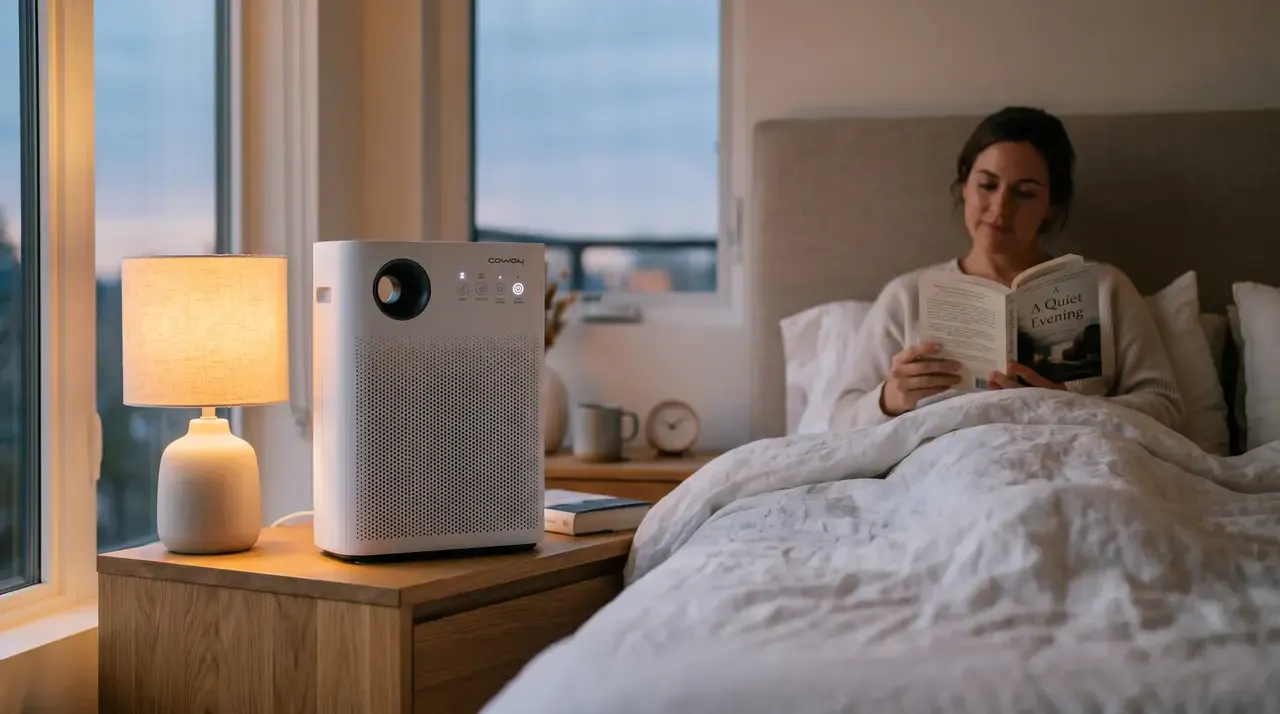
- CADR
- 246 / 249 / 277 CFM (Smoke / Dust / Pollen)
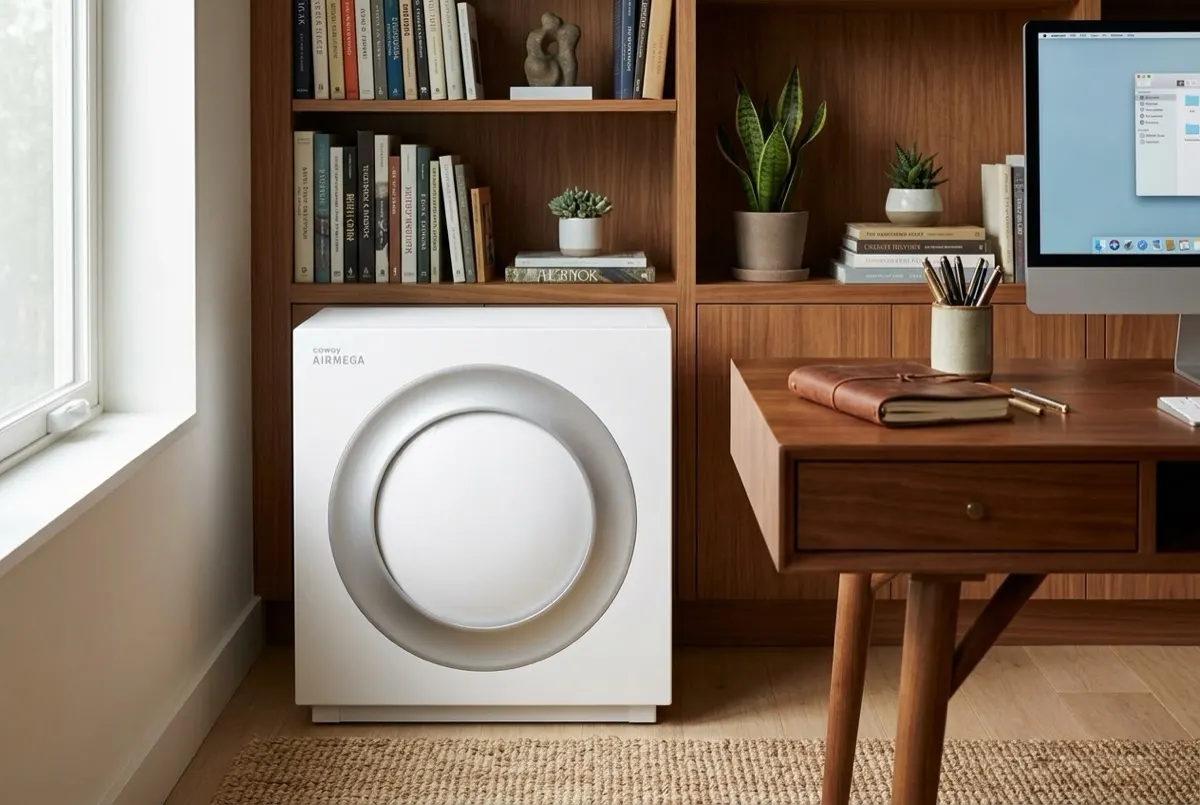
- CADR
- 240 / 242 / 249 CFM (Smoke / Dust / Pollen)
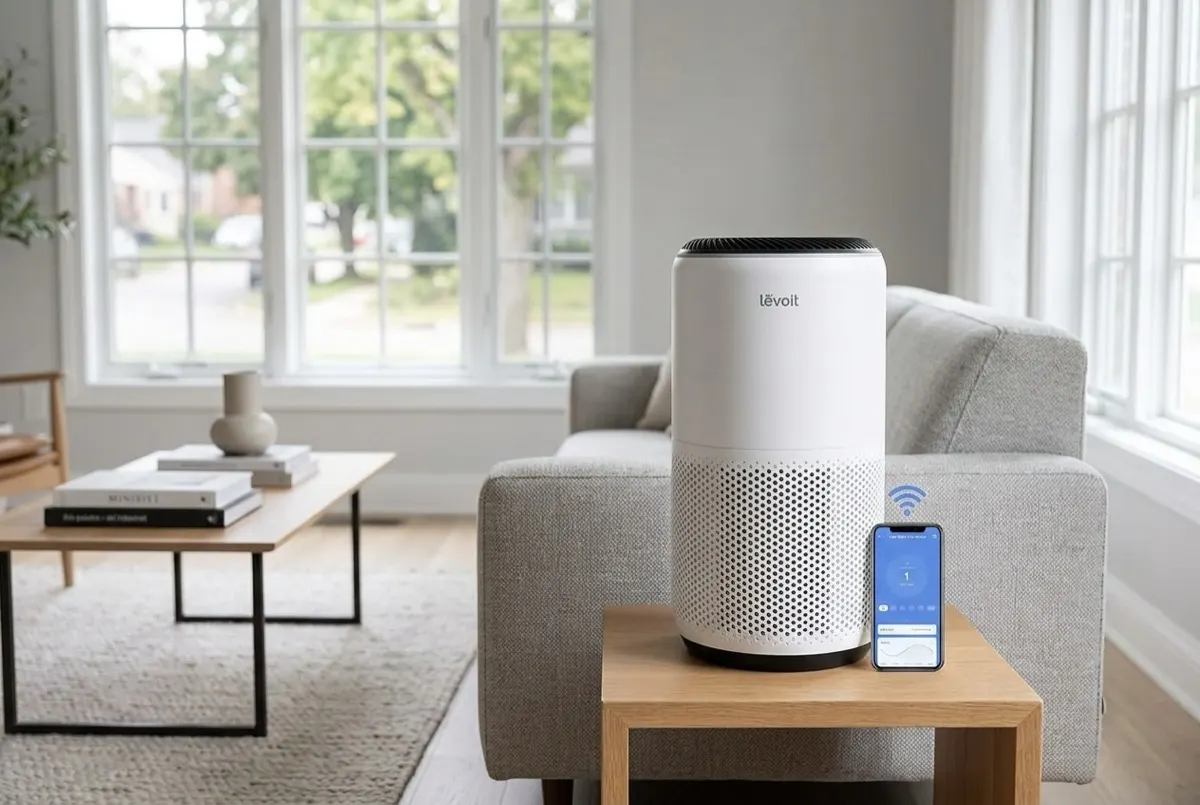
- CADR
- 234 / 233 / 257 CFM (Smoke / Dust / Pollen, AHAM Verifide)
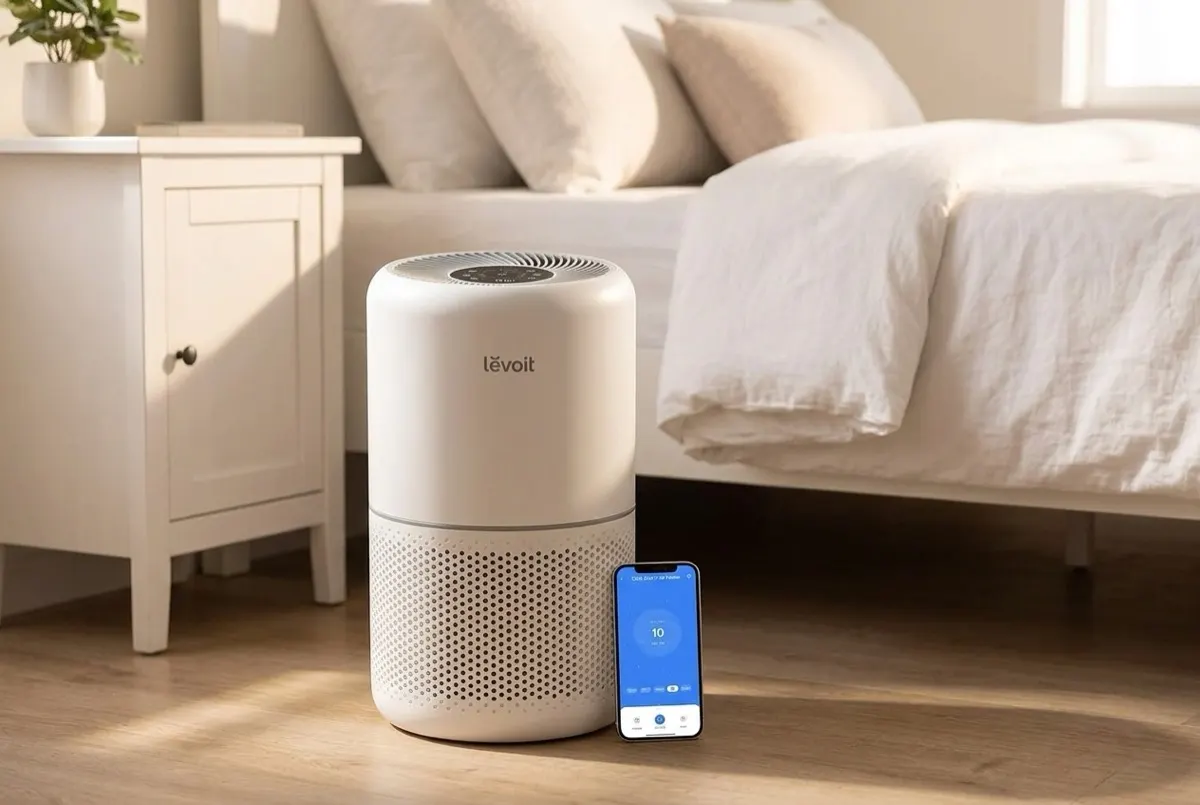
LEVOIT Core 300S
LEVOIT
- CADR
- 141 CFM
How we evaluate products
We compare published manufacturer specifications, manuals, support policies, and relevant public guidance. We do not present unpublished laboratory or in-home measurements as our own testing.
Features and services can change, so confirm current details with the manufacturer before buying. Affiliate commissions do not determine our editorial criteria.
Last reviewed: 2026-07-11
Products covered in this guide
Coway
Coway Airmega 200M
- CADR
- 246 / 249 / 277 CFM (Smoke / Dust / Pollen)
- Coverage
- 361 sq ft (4.8 ACH); 874 sq ft (2 ACH); 1,748 sq ft (1 ACH)
- Noise level
- 24.4-55.1 dB(A)
Coway
Coway Airmega Mighty2
- CADR
- 240 / 242 / 249 CFM (Smoke / Dust / Pollen)
- Coverage
- 1,800 sq ft (1 ACH)
- Noise level
- 19-50 dB
LEVOIT
LEVOIT Core 400S
- CADR
- 234 / 233 / 257 CFM (Smoke / Dust / Pollen, AHAM Verifide)
- Coverage
- 358 sq ft (4.8 ACH); 1,718 sq ft (1 ACH)
- Noise level
- 22-52 dB
LEVOIT
LEVOIT Core 300S
- CADR
- 141 CFM
- Coverage
- 219 sq ft (4.8 ACH); 1,051 sq ft (1 ACH)
- Noise level
- 22-50 dB
In 2026, the air purifier market is more saturated than ever, with brands promising absolute purification and complete allergy relief. However, not all air purifiers are created equal. For allergy sufferers, a standard filter simply will not suffice. You need true, tested, and verified high-efficiency particulate air (HEPA) filtration combined with adequate airflow to capture allergens before they settle onto your floors, bedding, and furniture.
Top picks at a glance
Best overall for allergies
When it comes to balancing raw particulate removal, odor reduction, intelligent features, and long-term affordability, the Coway Airmega 200M stands as the undisputed champion for allergy sufferers. While it may not have the futuristic aesthetic of some high-end competitors, its internal engineering and filtration performance are absolutely top-tier.
Performance and Filtration The heart of the Coway Airmega 200M (ASIN: B0856PHMMK) is its exceptional multi-stage filtration system. It begins with a washable pre-filter that captures large dust bunnies, pet hair, and human hair. This is a critical feature for allergy sufferers, as it prevents the more expensive internal filters from becoming prematurely clogged with large debris.
Intelligent Allergy Management What truly elevates the Airmega 200M above its peers is its built-in particle sensor and Eco mode. Allergy triggers are often invisible and fluctuate throughout the day based on open windows, HVAC cycles, or pets moving around. The Airmega 200M continuously monitors the ambient air quality. If it detects an influx of pollen or dust, the LED indicator changes color, and the fan automatically ramps up to clear the threat.
Crucially, if the air remains clean for 30 minutes, the Eco mode shuts off the fan completely to save energy, instantly springing back to life the moment a new allergen is detected. This ensures you are always protected without wasting electricity.
Design and Usability Weighing in at 12.3 pounds, the unit is easy to move from room to room. The noise profile is excellent for bedroom use; on its lowest setting, it registers a whisper-quiet 24 dB, which is barely audible. Even on its maximum setting (53 dB), the sound is a smooth, rushing wind rather than an annoying mechanical hum. The unit also features a filter change indicator, taking the guesswork out of maintenance—a vital feature, as running an air purifier with a saturated filter is useless for allergy relief.
Pros:
- Exceptional True HEPA and Carbon filtration.
- Highly accurate auto-sensing Eco mode saves energy.
- Washable pre-filter extends the life of the HEPA filter.
- Whisper-quiet operation on low settings (24 dB).
- Excellent value for the coverage area (361 sq ft).
Cons:
- The design is somewhat utilitarian and boxy.
- The brightly colored air quality light can be distracting in a dark bedroom if not disabled.
- Replacement filters can be slightly pricey, though they last up to a year.
Ideal Buyer: The Coway Airmega 200M is the perfect choice for the vast majority of allergy sufferers. If you have a medium-to-large bedroom or living room up to 361 square feet, its True HEPA and activated-carbon filtration, quiet 24 dB floor and reliable particle sensor make it the dependable, sensibly priced default.
Best next-generation pick: Coway Airmega Mighty2
For allergy and asthma sufferers who want the same trusted platform brought fully up to date, the Coway Airmega Mighty2 (ASIN: B0GS7FF1D6) is the standout upgrade. As the next generation of the AP-1512HH that the 200M is based on, it keeps the sealed True HEPA filtration but makes two changes that matter for sensitive lungs. First, Coway removed the bipolar ionizer entirely, so every particle is captured mechanically in the combined Max2 filter with nothing added to the air. Second, its MegaScan laser sensor reads PM1, PM2.5 and PM10 separately, catching the ultrafine combustion particulate that basic sensors miss. With a quieter 19 dB floor and lower power draw, it is the purest, most modern mechanical purifier for an allergy household. Full details are in the Coway Airmega Mighty2 review.
Best sealed pick for large rooms: LEVOIT Core 400S
Allergy relief in a large living space demands both a sealed filter and enough airflow to reach the corners. The LEVOIT Core 400S (ASIN: B08R794ZMX) delivers a medical-grade H13 True HEPA filter — rated to capture 99.97% of particles at the most-penetrating 0.3-micron size — with a 231 CFM smoke CADR that cleans roughly 347 square feet at 4.8 air changes per hour. Its AirSight Plus laser sensor puts a live PM2.5 figure on the display and drives a true auto mode, so an allergy sufferer can watch the air respond in near real time. The LEVOIT Core 400S review has the full picture.
Best compact pick: LEVOIT Core 300S
For a single bedroom or nursery, the LEVOIT Core 300S (ASIN: B0G19ZCNP9) is the compact allergy pick. It is the Wi-Fi successor to the hugely popular Core 300, whose listing has now been discontinued — the same 3-stage True HEPA filtration and 360-degree body, now with an app, voice control, scheduling and a timer the original lacked. Rated for rooms up to 219 square feet with a 22 dB sleep mode, it keeps a bedroom's air clean overnight without disturbing sleep. Anyone whose old Core 300 has been retired should step up to the 300S, covered in full in the LEVOIT Core 300S review.
How to choose an allergy purifier
Three things separate a genuine allergy purifier from a marketing exercise. Insist on True HEPA or H13 filtration, not "HEPA-type" — only the true standard guarantees 99.97% capture at 0.3 microns, the size band where pollen, dander and dust-mite debris live. Size the unit by its smoke CADR multiplied by 1.5, which gives the square footage it can clean at the 4.8 air changes per hour that actually keeps allergens suppressed rather than merely stirred. And prefer sealed, purely mechanical filtration, since a sealed path guarantees no dirty air bypasses the media and leaves ionization out of the equation. Match those three to your room size and any of the picks above will keep an allergy household breathing easier.