Best Air Purifiers Under 500 (2026)
The strongest air purifiers in the under-500 segment for 2026, compared on published CADR, coverage, filtration, noise and filter-life documentation.
Top picks at a glance
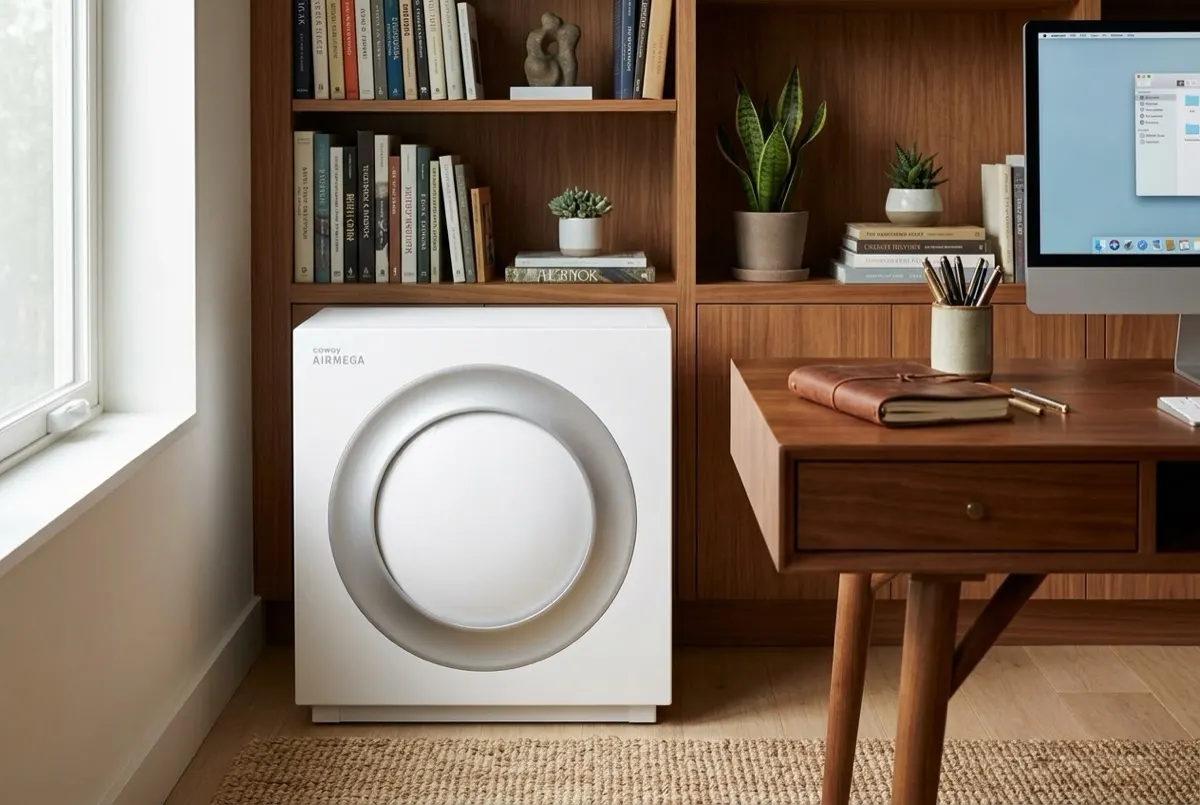
- CADR
- 240 / 242 / 249 CFM (Smoke / Dust / Pollen)
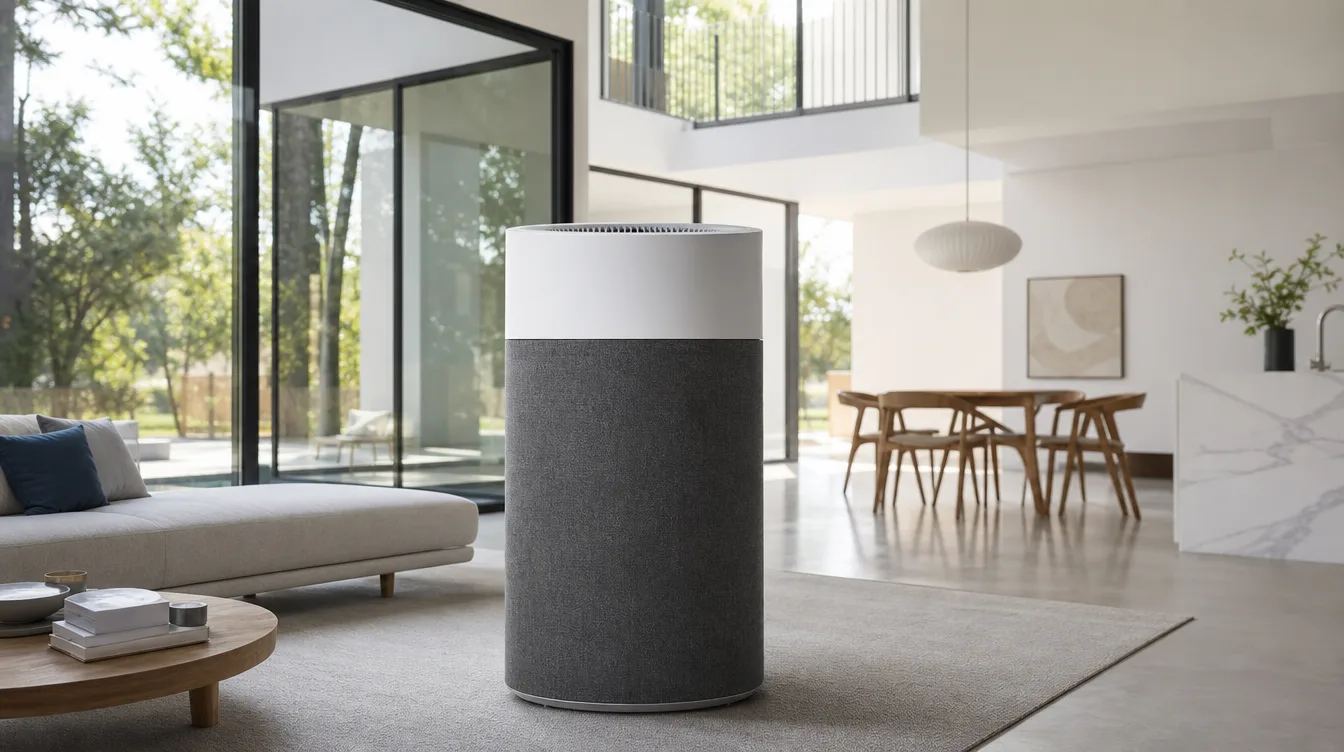
- CADR
- 435 / 453 / 450 CFM (Smoke / Dust / Pollen, AHAM Verifide)
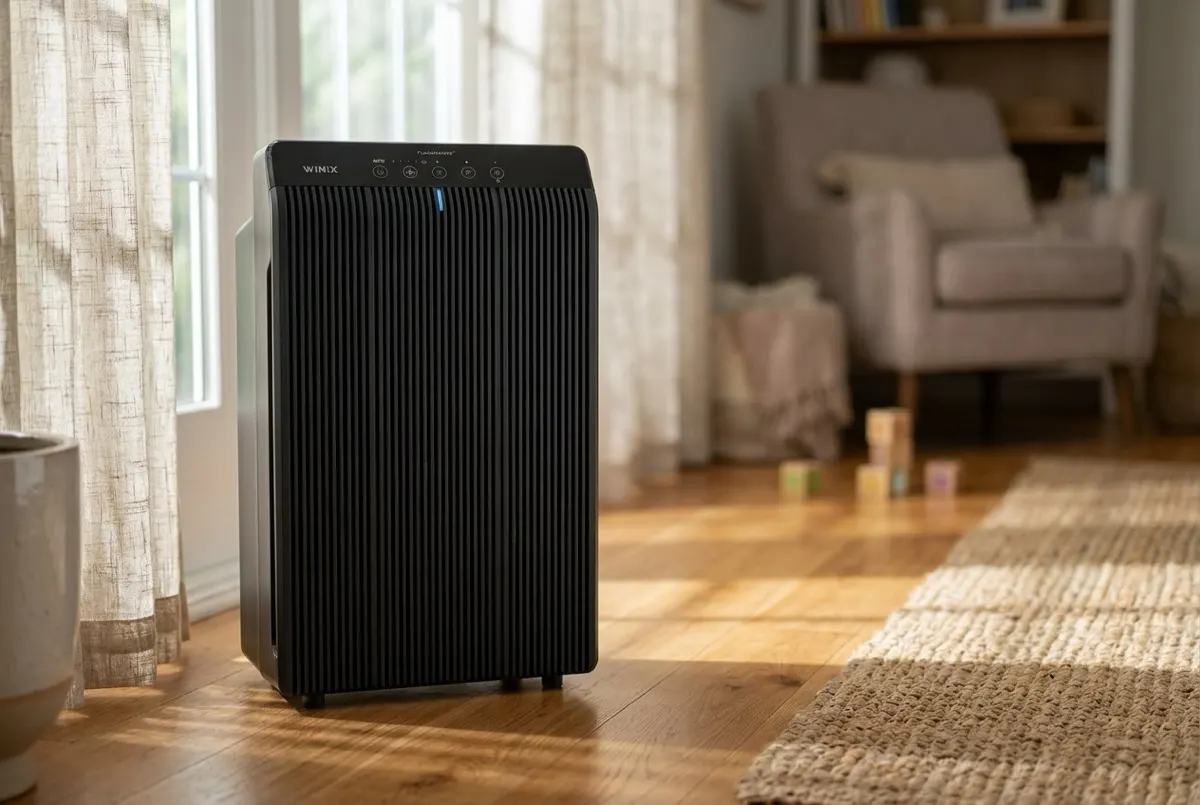
- CADR
- 253 / 252 / 247 CFM (Smoke / Dust / Pollen, AHAM Verifide)
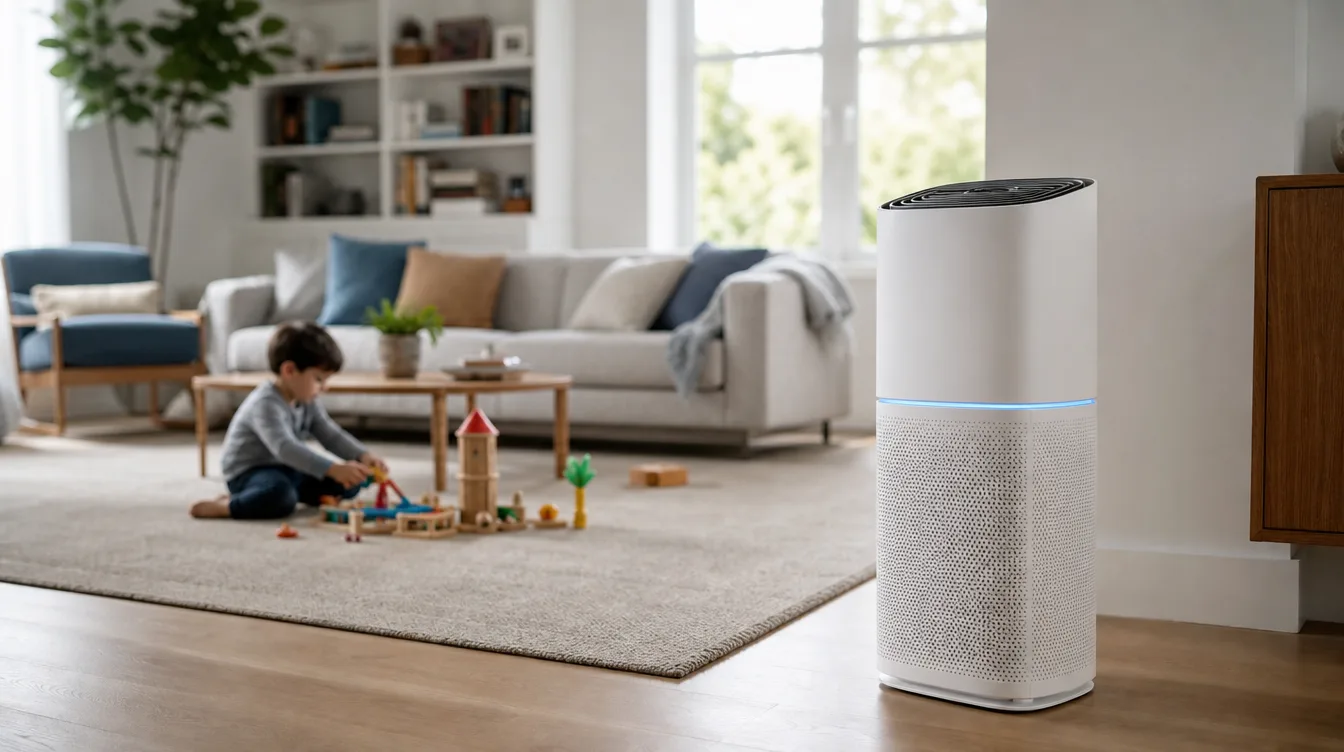
- CADR
- 97 / 105 / 114 CFM (Smoke / Dust / Pollen, ENERGY STAR)
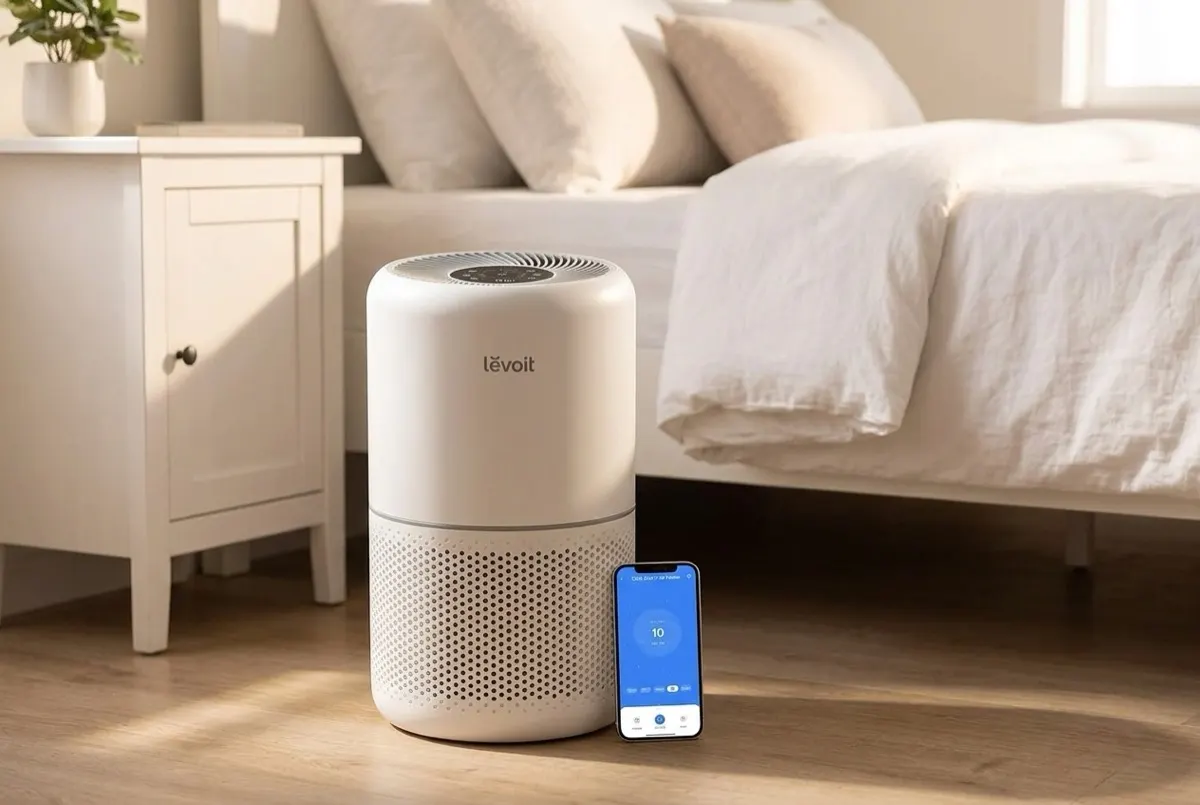
LEVOIT Core 300S
LEVOIT
- CADR
- 141 CFM
How we evaluate products
We compare published manufacturer specifications, manuals, support policies, and relevant public guidance. We do not present unpublished laboratory or in-home measurements as our own testing.
Features and services can change, so confirm current details with the manufacturer before buying. Affiliate commissions do not determine our editorial criteria.
Last reviewed: 2026-07-28
Products covered in this guide
Coway
Coway Airmega Mighty2
- CADR
- 240 / 242 / 249 CFM (Smoke / Dust / Pollen)
- Coverage
- 1,800 sq ft (1 ACH)
- Noise level
- 19-50 dB
BLUEAIR
BLUEAIR Blue Pure 211i Max
- CADR
- 435 / 453 / 450 CFM (Smoke / Dust / Pollen, AHAM Verifide)
- Coverage
- 674 sq ft (4.8 ACH)
- Noise level
- 23-53 dB
Winix
Winix 5510
- CADR
- 253 / 252 / 247 CFM (Smoke / Dust / Pollen, AHAM Verifide)
- Coverage
- 392 sq ft (AHAM Verifide); 1,882 sq ft max room size (1 ACH)
- Power
- 65 W
Shark
Shark HP152 NeverChange
- CADR
- 97 / 105 / 114 CFM (Smoke / Dust / Pollen, ENERGY STAR)
- Coverage
- 150 sq ft (ENERGY STAR); purifies up to 650 sq ft in 1 hour
- Power
- 26 W
LEVOIT
LEVOIT Core 300S
- CADR
- 141 CFM
- Coverage
- 219 sq ft (4.8 ACH); 1,051 sq ft (1 ACH)
- Noise level
- 22-50 dB
LEVOIT
LEVOIT Core 200S-P
- CADR
- 90 / 101 / 119 CFM (Smoke / Dust / Pollen, AHAM Verifide)
- Coverage
- 140 sq ft (4.8 ACH); 672 sq ft (1 ACH)
- Noise level
- 24-48 dB
The under-500 segment is where serious, whole-room air purification begins in 2026. This tier spans everything from compact bedroom units to machines rated for open-plan living rooms, and it includes several models with laser particle sensors, genuine auto modes and multi-year filters that were reserved for flagship price brackets only a few product generations ago. Choosing well here is less about feature lists and more about matching verified airflow to the room that needs cleaning.
Every purifier in this guide is part of the currently validated catalog, and each one sits within the segment on the basis of the current market data available at publication. The comparison below is built from published manufacturer specifications, manuals, AHAM Verifide CADR listings where available, and manufacturer support documentation. It does not present first-party laboratory measurements, and it does not quote figures that move: current pricing appears only on the live retailer listing linked from each product card.
Top picks at a glance
The table and product cards above summarize the six picks. The sections below explain what each machine is for, using the numbers that matter: Clean Air Delivery Rate (CADR), recommended coverage at a meaningful 4.8 air changes per hour, filtration architecture, rated noise and documented filter life.
Best overall: Coway Airmega Mighty2
The Coway Airmega Mighty2 (ASIN: B0GS7FF1D6) is the strongest all-rounder in the segment and the next-generation successor to the long-reigning AP-1512HH. Its smoke CADR of 240 CFM (242 dust, 249 pollen) cleans a room of roughly 360 square feet at 4.8 air changes per hour, which covers a primary bedroom, a home office or an average living room without strain. The full breakdown lives in the Coway Airmega Mighty2 review.
Sealed filtration with nothing added back
Every particle the Mighty2 captures is trapped mechanically. The previous generation carried a bipolar ionizer; Coway removed it entirely, so the air path runs from a washable pre-filter straight into the sealed Max2 panel, which folds True HEPA media — rated to capture 99.97% of airborne particles down to 0.3 microns — together with an activated-carbon deodorization layer. For households that want clean air with nothing extra emitted into it, that purely mechanical path is exactly right.
A laser sensor that drives a real auto mode
The onboard MegaScan laser sensor reads PM1, PM2.5 and PM10 separately, so the auto mode reacts to the ultrafine fraction that simpler infrared sensors miss, then eases off once readings settle. An eco mode stops the fan during sustained clean stretches. The noise floor drops to around 19 dB on the lowest setting — quiet enough to disappear in a dark bedroom — and even the top setting stays within a rated 51 dB.
Ideal household: anyone who wants one machine that handles bedrooms and living spaces equally well, manages itself through a genuinely responsive auto mode, and keeps filter maintenance to a washable pre-filter plus a single combined panel.
Best for large rooms: BLUEAIR Blue Pure 211i Max
When the space is a genuine great room or an open-plan ground floor, airflow is the whole game, and the BLUEAIR Blue Pure 211i Max (ASIN: B0BN2MGV5H) moves more of it than anything else in the segment. Its CADR ratings of 435 smoke / 452 dust / 450 pollen CFM support roughly 653 square feet at 4.8 air changes per hour — large-room territory that most purifiers in this tier cannot reach. The BLUEAIR Blue Pure 211i Max review covers it in full.
The 211i Max achieves that airflow through Blueair's HEPASilent dual filtration, which combines mechanical capture with electrostatic charging to move more air at lower fan energy. Rated noise runs 23 to 53 dB across the speed range, and the unit carries an Energy Star rating — relevant for a machine sized to run for long stretches. A PM1/PM2.5/PM10 sensor drives the auto mode, the Blueair app handles scheduling and RealTrack filter monitoring over Wi-Fi, and the washable fabric pre-filter wraps the intake to catch hair and dust before they reach the main filter.
Ideal household: open-plan living spaces, lofts and great rooms where smaller purifiers would run at full speed without ever catching up.
Best for smoke and odors: Winix 5510
Smoke and heavy cooking odor are a different problem from pollen and dust. Fine particulate needs strong HEPA capture, but the gas phase of smoke can only be adsorbed by carbon — and the depth of that carbon is what separates a smoke specialist from an ordinary purifier. In this segment the Winix 5510 (ASIN: B0DJG1731C) is the pick, detailed in the Winix 5510 review.
Four stages, deep carbon
Where most purifiers in this class run three filtration stages, the 5510 runs four: a washable pre-filter, a substantial Advanced Odor Control carbon layer built as a granular mesh rather than a thin coated sheet, a True HEPA filter, and an optional PlasmaWave stage that can be switched off entirely. That deeper carbon bed is what gives the platform its long-standing reputation for taming smoke and cooking smells that thinner carbon layers pass straight through.
Large-room airflow with modern control
As the app-enabled successor to the popular 5500-2, the 5510 adds Wi-Fi, a companion app and a true auto mode driven by an onboard air-quality sensor. Its smoke CADR of 253 CFM (252 dust, 247 pollen) cleans roughly 380 square feet at 4.8 air changes per hour, with rated noise of 28 to 60 dB across the range.
Ideal household: anyone whose primary enemy is wildfire smoke, cooking odor or VOCs in a larger room, and owners of the older 5500-2 who want app control and auto mode without losing the deep carbon bed.
Lowest upkeep: Shark HP152 NeverChange
Filter replacements are the hidden running cost of air purification, and the Shark HP152 NeverChange (ASIN: B0CM6VDKSQ) is engineered specifically to minimize them. Its NanoSeal HEPA filter is rated by the manufacturer to last up to five years, protected by a washable Debris Defense pre-filter, and the unit draws only around 26 watts even at full speed. The Shark HP152 NeverChange review has the complete picture.
The honest trade-off is scale: with a CADR of 97 CFM, the HP152 is a small-room machine, sized for about 145 square feet at 4.8 air changes per hour. Within that envelope it runs a four-stage, purely mechanical air path — washable pre-filter, pet dander layer, NanoSeal HEPA and a separate Odor Neutralizer carbon cartridge that remains an ongoing consumable on a three-to-six-month cadence. There is no ionizer anywhere in the air path.
Ideal household: bedrooms, nurseries and home offices where the priority is clean air with the fewest filter purchases and the lowest energy draw over years of ownership.
Best compact smart pick: LEVOIT Core 300S
For a single bedroom, nursery or study, a large machine is wasted capacity. The LEVOIT Core 300S (ASIN: B0G19ZCNP9) is the smart small-room standard: a compact 360-degree body with three-stage True HEPA filtration, an AHAM Verifide smoke CADR of 141 CFM suited to rooms up to 219 square feet, and a QuietKEAP sleep mode rated as low as 22 dB. The LEVOIT Core 300S review covers the details.
As the Wi-Fi successor to the discontinued Core 300, the 300S adds the VeSync app, Alexa and Google voice control, scheduling and timers — the connectivity layer the original lacked — while keeping Energy Star certification and the same straightforward filter ecosystem.
Ideal household: anyone outfitting a bedroom or nursery who wants app scheduling and voice control in a machine that disappears acoustically overnight.
Best entry-level pick: LEVOIT Core 200S-P
The LEVOIT Core 200S-P (ASIN: B08FJ678YK) is the most accessible way into connected air purification in this guide. It covers about 135 square feet at 4.8 air changes per hour behind a 90 CFM manufacturer-rated CADR, and its three-stage path — nylon pre-filter, HEPA and high-efficiency activated carbon — is purely mechanical, with no ionizer in the air path. Rated noise runs 24 to 48 dB. The LEVOIT Core 200S-P review goes deeper.
The trade-off at this level is automation: there is no onboard air-quality sensor and no true auto mode, so control is app- and schedule-based through VeSync, with Alexa and Google voice support. For a small bedroom or dorm room that runs on a predictable routine, that limitation matters far less than the clean mechanical filtration and full smart-home control it keeps.
Ideal household: first-time buyers, dorm rooms and small bedrooms where app scheduling covers the daily routine.
How this guide chooses
Every pick above was selected on documentation rather than impression: published CADR ratings — AHAM Verifide where available — sized against rooms at 4.8 air changes per hour, filtration architecture with attention to carbon depth and whether ionization can be disabled, rated noise floors for bedroom use, and documented filter life as the measure of long-term upkeep. Coverage figures quoted at a single air change per hour are noted as such wherever they appear.
Room sizing remains the single decision that matters most. The guide to choosing an air purifier walks through measuring a room and matching it to CADR, and the broader Best Air Purifiers 2026 roundup extends beyond this segment for households considering flagship-tier machines.